Embrace Sister Death like Francis
In a world that cries out for peace and justice, Pope Leo XIV has announced a Jubilee Year of St. Francis – an urgent invitation to put our faith into action following the example of St. Francis of Assisi. As the Jubilee Year continues, the Franciscan Friars of the Province of Our Lady of Guadalupe will be sharing a monthly reflection to look honestly at our lives and ask what it would mean to follow the Gospel more closely in the spirit of St. Francis. Read other reflections in the Live Like Francis series.
Reflect and see that the day of death is approaching. With all possible respect, therefore, I beg you not to forget the Lord because of this world’s cares and preoccupations and not to turn away from His commandments, for all those who leave Him in oblivion and turn away from His commandments are cursed and will be left in oblivion by Him.
When the day of death does come, everything they think they have shall be taken from them.
Praised be You, my Lord, through our Sister Bodily Death,
from whom no one living can escape.
Woe to those who die in mortal sin.
Blessed are those whom death will find in Your most holy will,
for the second death shall do them no harm.
St. Francis of Assisi’s writings offer hints of two vastly differing conceptions of death that guided him during his lifetime. An earlier concept, mentioned in the Letter to the Rulers of Peoples (1220), embraced one of the most common beliefs surrounding death – it was a judgment, with little reprieve, delivered with exacting precision. Justice in death depended on following the rules God laid down in the commandments, which most of humanity had little hope of fulfilling favorably. The instability and chaos of medieval life gave death a distinct flavor:
Death comes for us all
At death, God enacts justice on a sinful humanity
Very few of us may ever merit paradise
We will lose all that we thought was important in this life.
Francis somberly and seriously admonishes people who lead others to remain mindful of God’s role in placing them in these positions and to live up to the expectations such a divinely appointed role demands. If they fail, they have themselves to blame for the unpleasant consequences they will suffer after death.
Even today, we continue to view death with fear and trembling because of its prevalent association with a God of judgment and with an end of all things. Death becomes the greatest test of faith for all who dare to believe because it forces us to face whether we truly believe Jesus is the Resurrection and the Life. All too often, the pain and sorrow of death win out over the promise that “life is changed, not ended,” and that “the bonds we forge in life can never be undone by death.”
How important it is, then, to see how St. Francis evolved over the course of his ministry in his understanding of death. Six years after the Letter to the Rulers of Peoples, Francis composes the Canticle of the Creatures, in which he presents an image of death as a welcomed friend. What is deemed inescapable and therefore avoided at all costs becomes an act of praise, one more profound aspect of all that has been created.
Such an evolution is possible only when we reflect upon Francis’ growing consciousness of God’s presence in all things, especially in his own life. After a life that seemed to end in brokenness and disappointment, in which things may not have evolved in the manner Francis thought they would, he remains firm in his trust that God is with him on the journey, always. How, then, could it ever be possible that God would abandon him on the final journey from this life into the next? The Canticle’s verse praising “Sister Death” reminds us that, especially in the most mysterious and unknown dimension of human life, God’s presence is always there. Death ceases to be met with despair and becomes a powerful sign of hope.
For reflection
What for you makes death so mysterious and incomprehensible? What are the sources of this perception for you? Does the societal and cultural image of death seem to have more power over us than the image our faith offers? Why do you think this is so?
Have you tried to be aware of God’s presence in those times that appear as “little deaths” in your life? Has this been successful for you, or has something stood in the way of perceiving God’s presence?
The Order of Christian Funerals is one of the most profound ways that our liturgical life “gets it right” when it comes to death and dying. Have you ever looked at the texts for a funeral liturgy? What gets in the way of perceiving the power of God and of our faith in this liturgy, so that it confirms that Christ is always Emmanuel, the God who is with us?
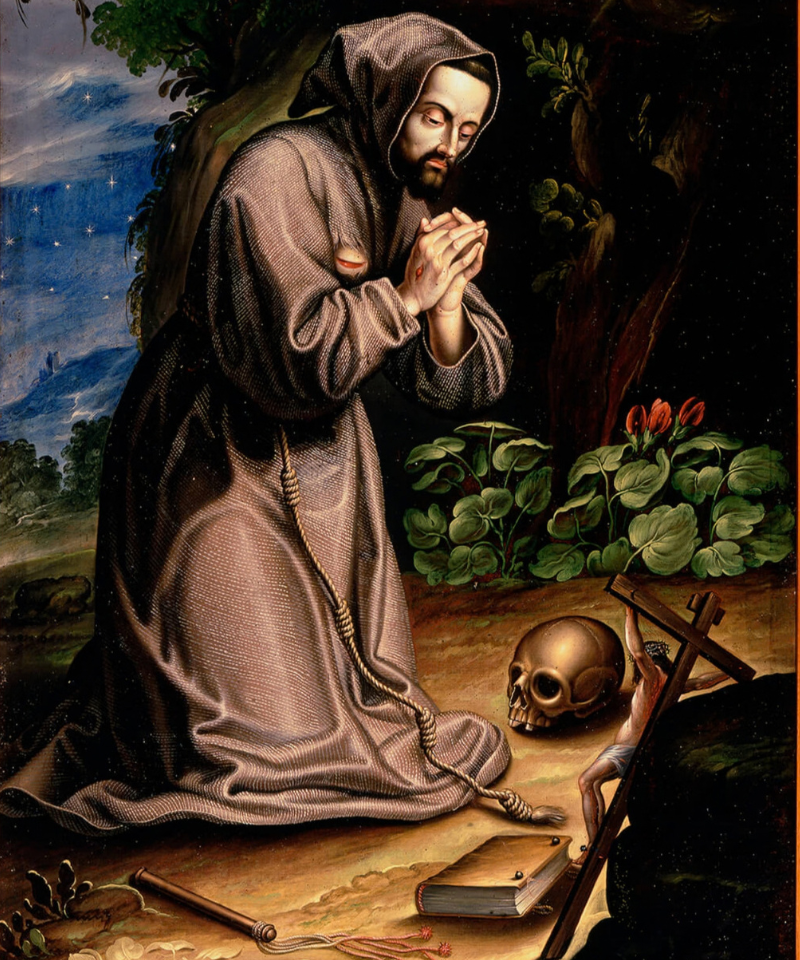
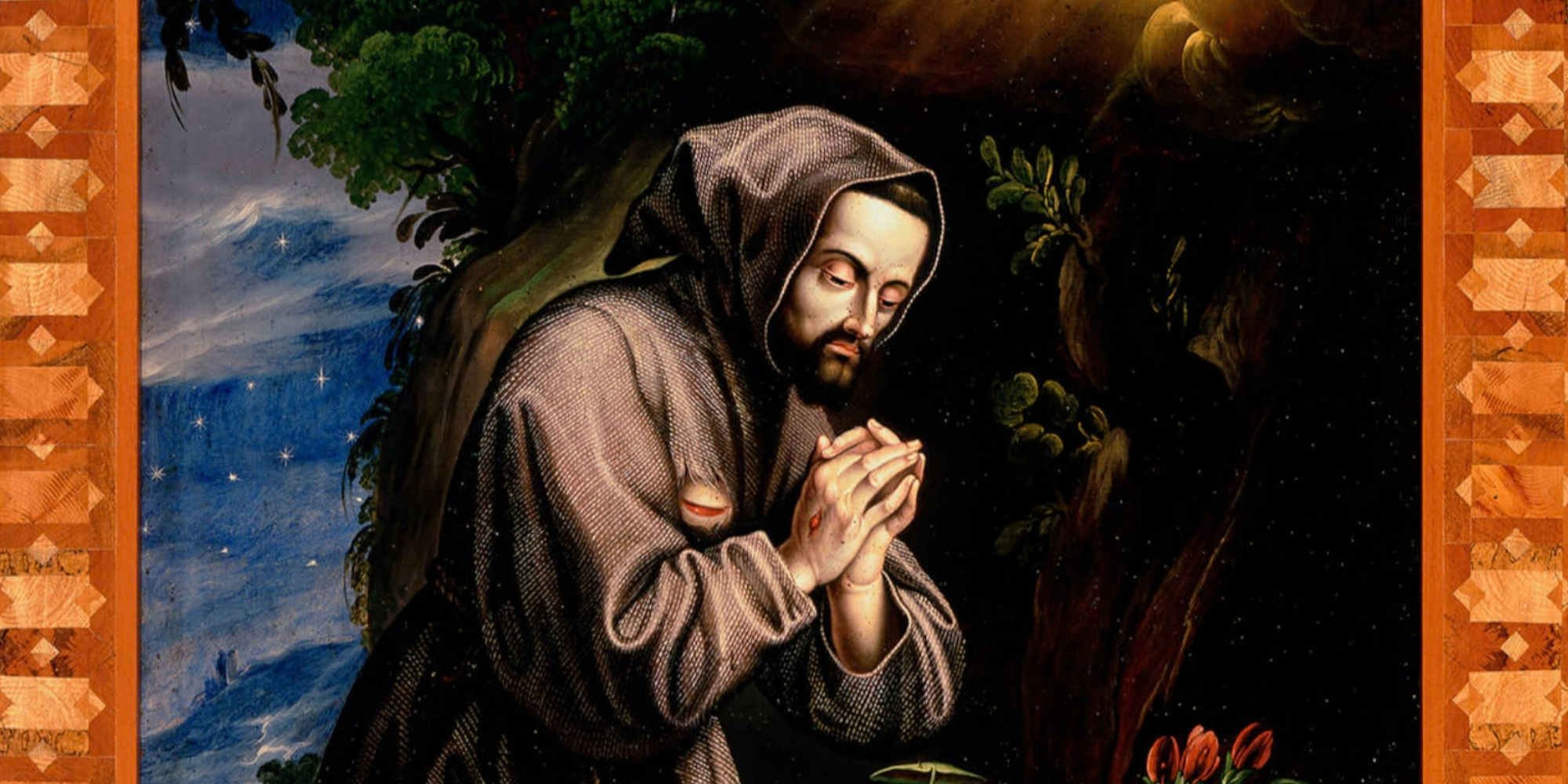
IMAGE: Diego de Borgraf, Public domain, via Wikimedia Commons