
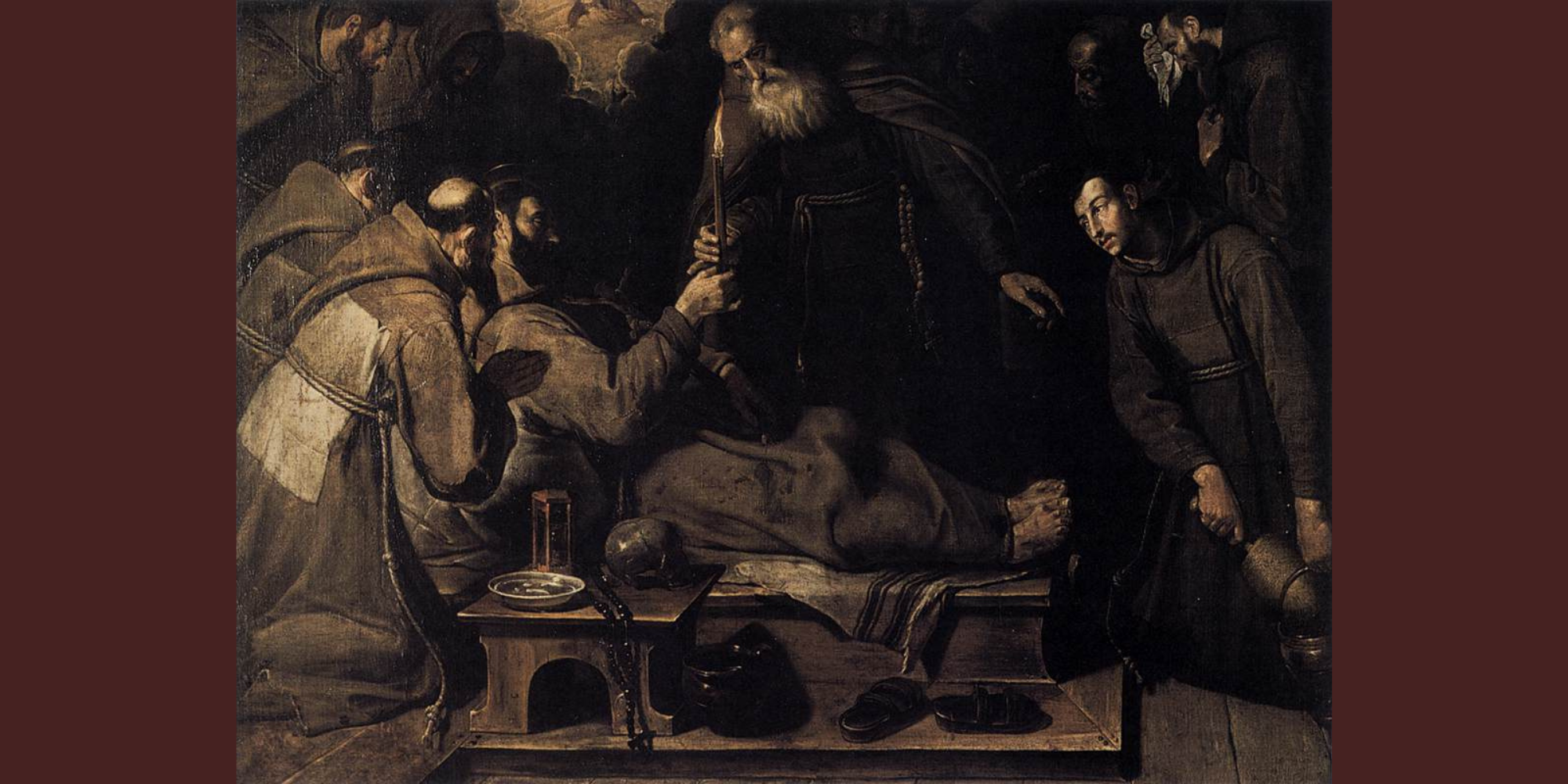
What Is the Transitus? Remembering the Death of St. Francis
On Oct. 3, Franciscans worldwide gather to commemorate the Transitus of St. Francis of Assisi with a prayer service that marks his passage from earthly life into eternal life with God.
The word transitus comes from the Latin word for "passing over." Rather than dwelling on death, the service celebrates Francis' journey into the fullness of life and invites participants to reflect on their own call to follow Christ with faith, hope and joy.
Giotto, Public domain, via Wikimedia Commons 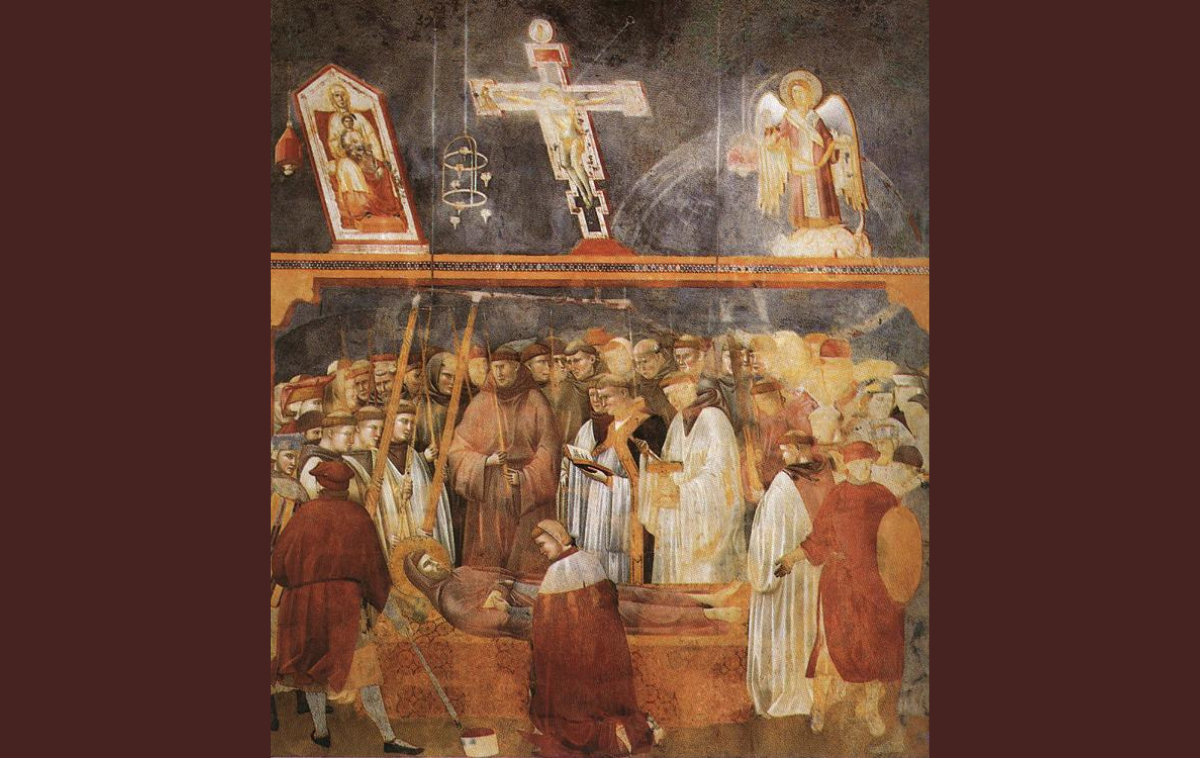
Why is the Transitus commemorated Oct. 3?
St. Francis passed away on Oct. 3, 1226, the eve of what is now his feast day, an annual Churchwide celebration of him. Franciscans reflect on Francis’ final moments and give thanks for his witness.
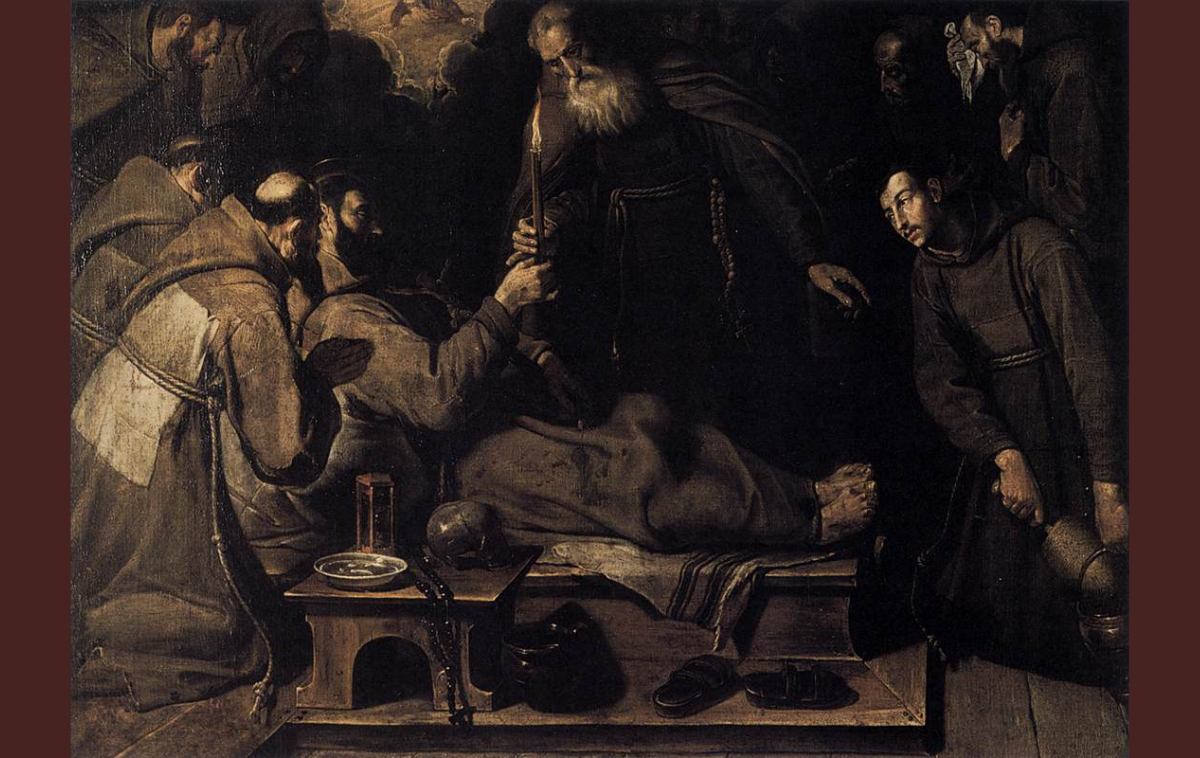
Bartolomeo Carducci, Public domain, via Wikimedia Commons
What happens during a Transitus service?
Practices vary by location but generally include these elements.
Scripture readings
The most common from John 13:1-17, recounting Jesus washing of his disciples’ feet, including the call to “wash another’s feet” as a humble gesture of service.
Accounts of Francis’ final hours
Early Franciscan sources recount Francis’ final days as a time of prayer, humility and joyful preparation for what he called Sister Death. These stories are often read during Transitus services to remember Francis’ final witness of faith.
Prayers and hymns
Psalm 142, which Francis is said to have prayed shortly before he passed, is often included. Gatherings might also sing the Canticle of the Creatures, “All Creatures of Our God and King” or traditional Franciscan chants.
The Canticle of the Creatures
Francis composed The Canticle of the Creatures in 1225 while ill and going blind at San Damiano. The hymn praises God through creation and ends with Francis’ joyful acceptance of Sister Death. Often sung during the Transitus, the Canticle expresses themes central to Franciscan spirituality: gratitude for creation, peace, humility and trust in God.
Reflection on Francis’s acceptance of “Sister Death”
Early biographers tell of Francis facing death with growing trust in God. His embrace of Sister Death was born of the same spirituality that allowed him to name the sun, water, fire and earth his brothers and sisters. In a reflection on the Transitus, Br. Murray Bodo, OFM, writes that Francis learned to embrace death as he had embraced life, with love and trust in God’s will.
Francis did not find his acceptance all at once. Br. Tom Nairn, OFM, describes Francis’ final illness as a stage in a journey of conversion that lasted a lifetime. Once inclined to see his failing health as an obstacle to his vocation, Francis learned to accept his physical decline and the care of his brothers as part of a God-given journey.
A recommitment to following Christ in the spirit of St. Francis
Francis left his brothers with a final challenge: “I have done what is mine; may Christ teach you what is yours.” The Transitus poses that question to Franciscans again each Oct. 3: Having remembered how Francis followed Christ, what is ours to do?
A customary closing prayer:
Jesus, show me what is mine to do today. Holy Spirit, provide the gifts I need today and guide me to use them fully.
The Transitus is therefore more than a remembrance of Francis’ death. As Br. Tom writes, the “passing over” points toward the deepest desire of the Christian journey: union with God through the death and resurrection of Christ.