
For the forgotten: friars relaunch counseling for inmates
Ray was 20 years old when he was sentenced to life in prison in 1994. During his 32 years at the Massachusetts Correctional Institution at Norfolk (MCI-Norfolk), scientific research increasingly revealed that the part of the brain responsible for rational decision-making and impulse control does not completely develop until around age 25.
Ray committed a terrible crime at a time marked by immaturity, chaos and overwhelming stress – when raw emotion, not logic, governed his choices. Over time, he deeply internalized the harm he caused and the suffering he endured as a young man.
In 2012, informed by this growing body of research, the U.S. Supreme Court ruled that mandatory life-without-parole sentences for juveniles violated the Eighth Amendment. In Massachusetts, however, juvenile jurisdiction applied only to individuals 18 and younger. Ray was not eligible for parole.
All he could do was serve his time with good behavior and work quietly on his own growth. Unbeknownst to him, a Franciscan presence would eventually enter his story.
When the Supreme Court ruling was issued, Br. Paul O’Keeffe, OFM, LCSW – a Franciscan friar, licensed therapist, and clinical social worker - was serving at St. Anthony’s Shrine in Boston. In 2017, he launched a grant-funded counseling program for juvenile offenders seeking parole. Ray was not part of it, but that would soon change.
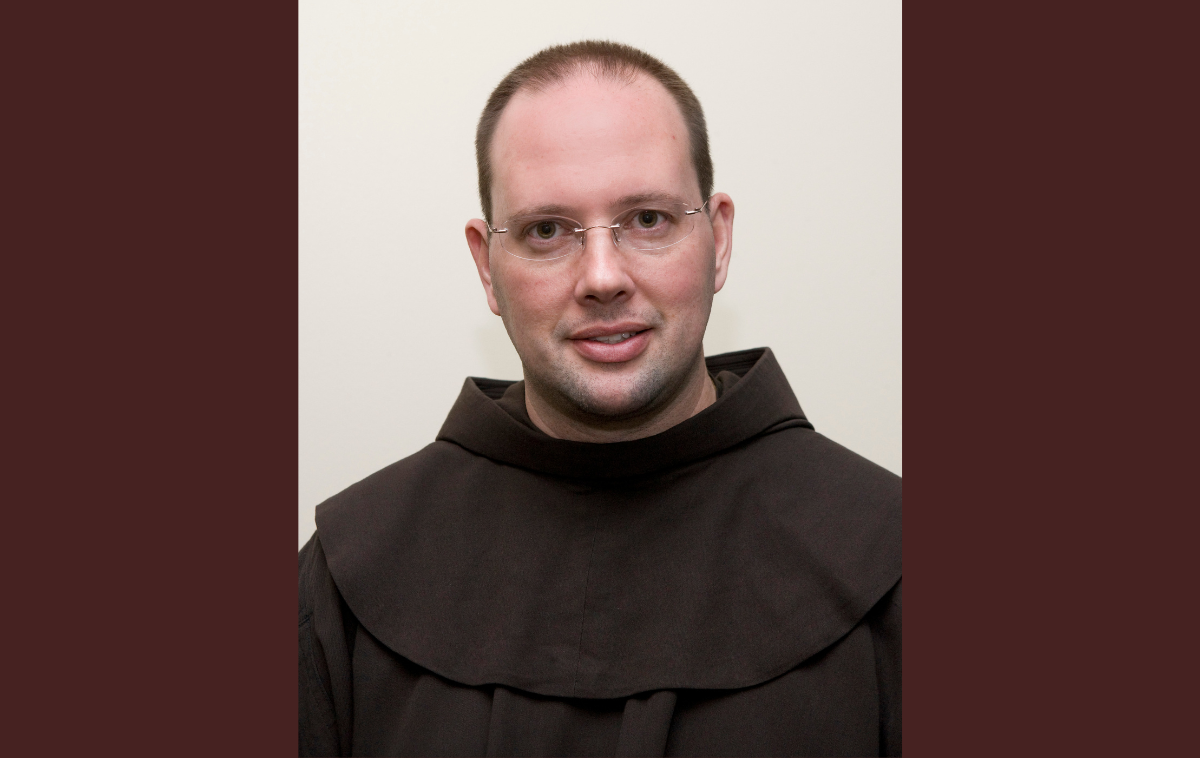
“I felt that my role as a friar was to be pastoral and to practice one of the seven Corporal Works of Mercy, which is to visit the imprisoned.” -Br. Paul O’Keeffe, OFM, LCSW
Ray’s way in
The brother of one of Br. Paul’s Boston-based clients was incarcerated and approaching a parole hearing. He needed counseling.
“I started working with him,” Br. Paul recalls, “and one day he said, ‘There are other guys in here who are looking for someone to talk to.’”
One was Ray.
“He wasn’t yet eligible for parole because he was 20 when he committed his crime,” Br. Paul explains. “But he wanted to work through issues from his life outside prison, particularly childhood trauma. His case didn’t technically fit the program, but he was seeking counseling, so I took him on conditionally.”
From the outset, Br. Paul recognized Ray’s inherent dignity.
“Long before we met, Ray had decided to work on himself – to trust others more and to be peaceful toward fellow inmates and staff,” he says. “He was respected because he chose to rise above his situation.”
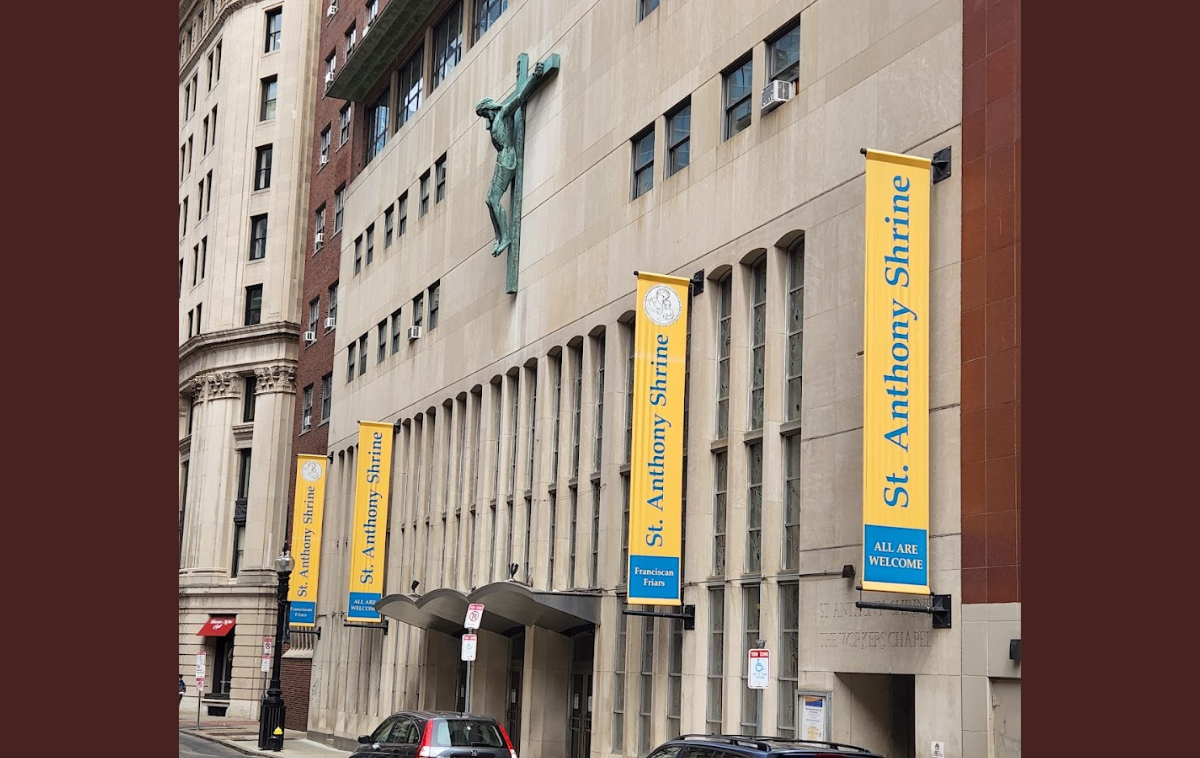
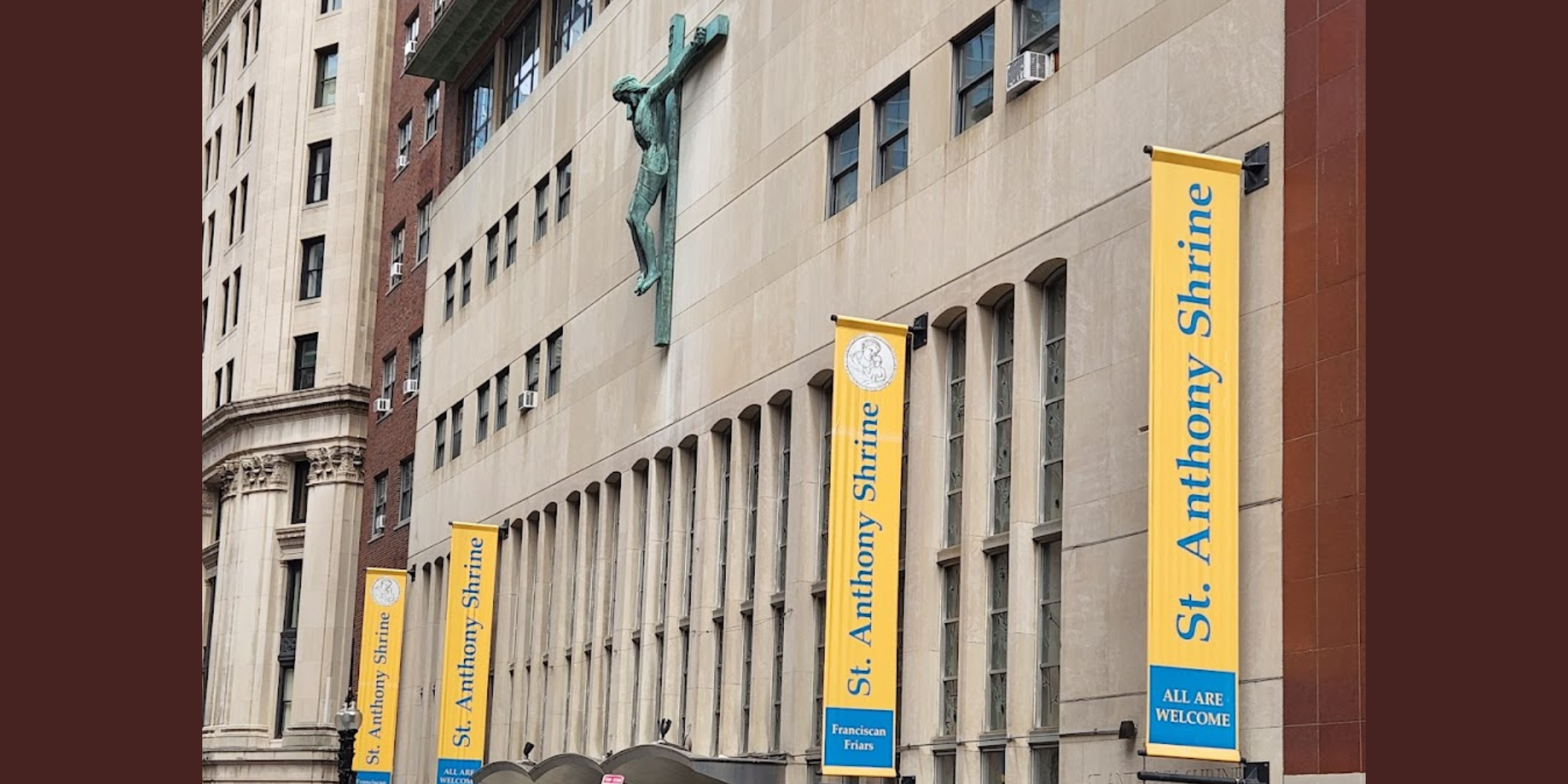
St. Anthony Shrine in Boston, MA, where Br. Paul O’Keeffe’s grant-funded juvenile offender counseling service began in 2017. (Photo courtesy of Br. Paul O’Keeffe, OFM)
Processing deep trauma
Initially, Ray and Br. Paul met by phone and online. Because of the program’s grant funding, Ray did not have to pay for counseling.
“Ray was learning how to process deep trauma,” Br. Paul says. “In addition to providing counseling, my role was pastoral – to practice one of the Corporal Works of Mercy: visiting the imprisoned.”
They worked together for eight years. Ray often reflected on one hard-earned insight: although he had spent decades in prison, prison was not in him. That distinction shaped how he treated both inmates and correctional officers.
Throughout those years, they never talked about freedom. Ray did not know if he would ever leave prison.
Then, in January 2024, the Massachusetts Supreme Court raised the juvenile age from 18 to 20, aligning the state with others that had expanded eligibility. Suddenly, Ray qualified for parole.
Ahead of his parole hearing in May 2025, Ray – now more trusting – asked Br. Paul to testify on his behalf.
“I spoke at his hearing, as I do with everyone in the program,” Br. Paul says. “He was granted parole six months later, and he asked me to pick him up from prison. He told me, ‘You’ve been the most reliable person in my life.’ Escorting him out on his first day of freedom was an honor.”
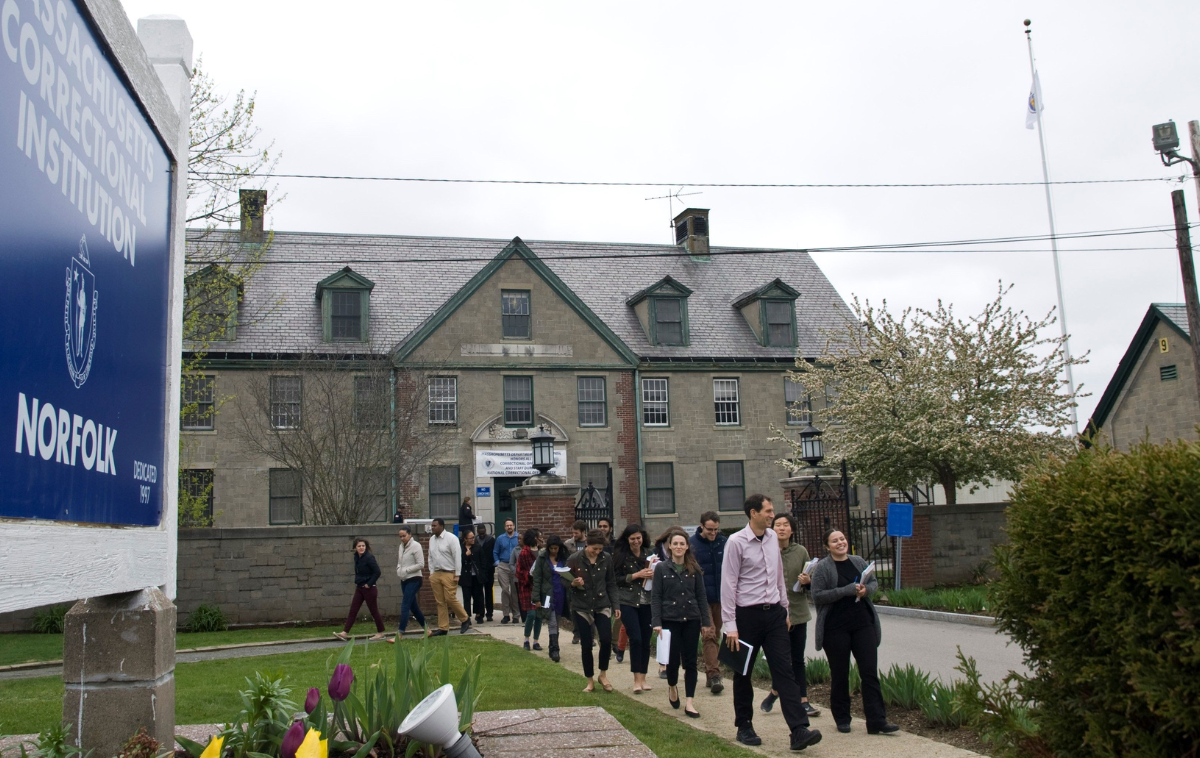
The path Ray walked: Students from the MIT Department of Urban Studies and Planning leaving the Massachusetts Correctional Institution in Norfolk, MA. (Photo courtesy of Br. Paul)
An ‘eye-opening’ transition
Ray transferred his parole to New York, his home state, where Br. Paul provides counseling through Franciscan 360, an affiliate of St. Francis Breadline that helps individuals experiencing homelessness find permanent housing.
They remain in daily contact.
“When Ray went into prison 32 years ago, computers weren’t part of everyday life,” Br. Paul says. “Adjusting to today’s technology has been one of his biggest challenges.”
Ray grew up in a broken home, spending a lot of time on the streets. From ages 13 to 20, he largely survived on his own. His greatest fear was leaving prison without support.
He is finding it. He receives help through programs like Ready, Willing, and Able, and he is a licensed barber –a trade he learned while incarcerated – with hopes of working soon.
“It’s about connecting him with resources,” Br. Paul said. “He’s motivated and a self-starter. He’s finding his way.”
Recently, they met downtown. Ray smiled, laughed, and greeted strangers.
“He told me, ‘I’m just so happy to be alive and to see people.’”
Br. Paul hopes to expand the Counseling Program for Juvenile Offenders Seeking Parole alongside Brothers Jay Woods, OFM, LMSW, and Mario Gomez, OFM, LMSW.
“I don’t know of many friars doing this kind of work,” Br. Paul said. “As professional therapists, it’s a unique opportunity to serve people who are deeply marginalized.”
That mission reflects a core Franciscan value: care for the poorest of the poor.
“In our society, that includes people in prison,” Br. Paul said. “Especially those serving long sentences who’ve been forgotten. They want another chance – not to be judged by the worst thing they’ve done. That’s what Ray and others have taught me.”