
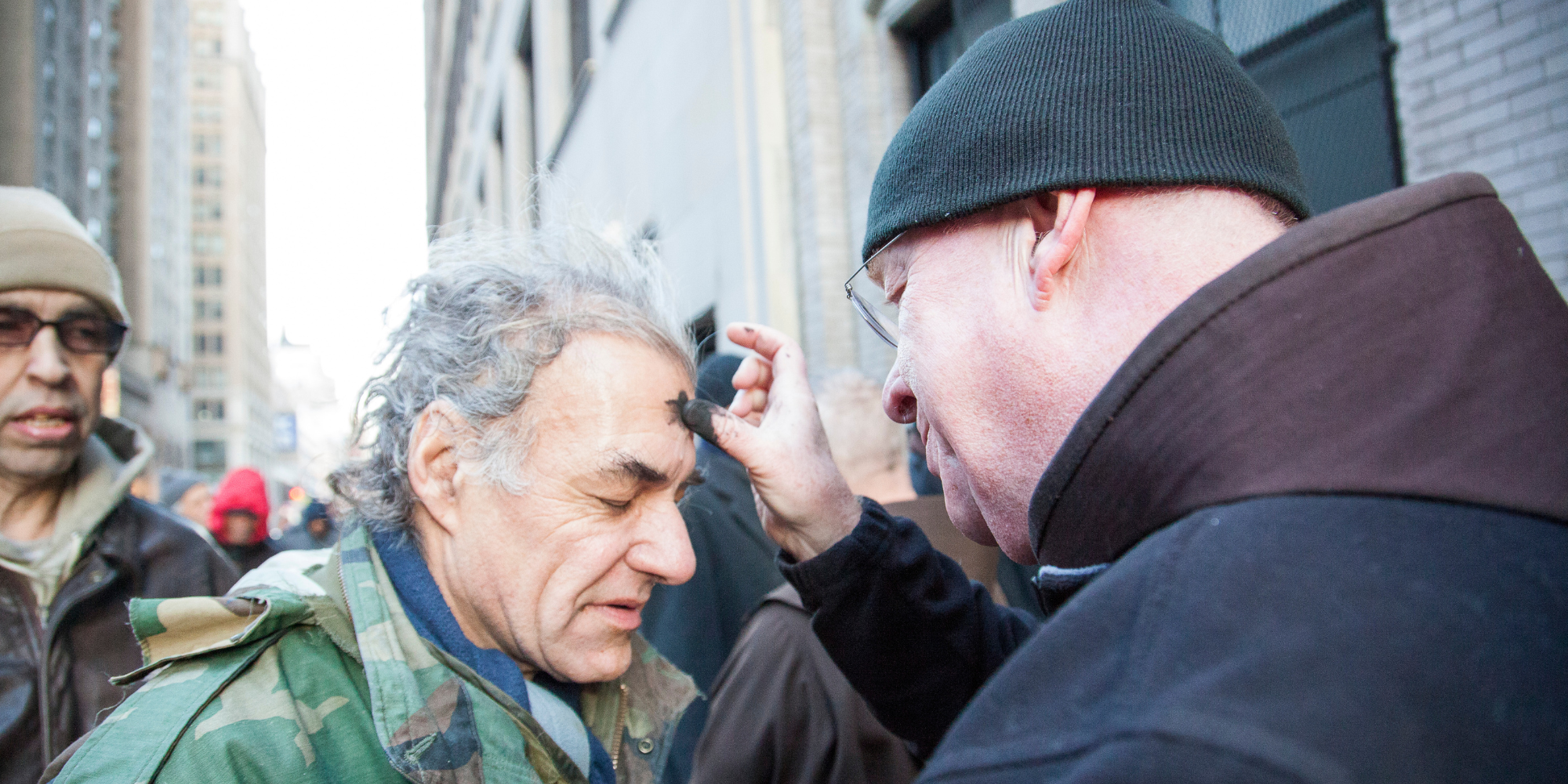
What is Ash Wednesday?
Ash Wednesday represents the beginning of Lent for Western Christians, a day for deep introspection on human mortality and our need for spiritual renewal. As this holy season unfolds, believers are invited to embrace generosity, commit to fasting and dedicate themselves to prayer, continuing these traditions until the sun sets on Holy Thursday.
Lent takes place over 40 days (about six weeks). This reminds us of the 40 days Jesus fasted in the desert while resisting the temptations of the devil. On Ash Wednesday, many believers start acts of penitence, such as giving up comforts, or commit to performing acts of service throughout the Lenten season. Others try to begin a new spiritual practice, such as creating time for personal reflection. (If you would like to receive reflections from the Franciscan friars during Lent, click here to sign up.)
Ash Wednesday’s origin
Ash Wednesday started in the 11th century, drawing on Jewish fasting traditions. Roman Catholics are thought to have started marking foreheads with a cross of ashes in the eighth century. Ashes have been included in worship since Old Testament times to represent mortality, mourning and penance.
Placing ash crosses on the forehead became common in the 1970s as an outward symbol of faith. Some Christians take this opportunity to start conversations about their beliefs.
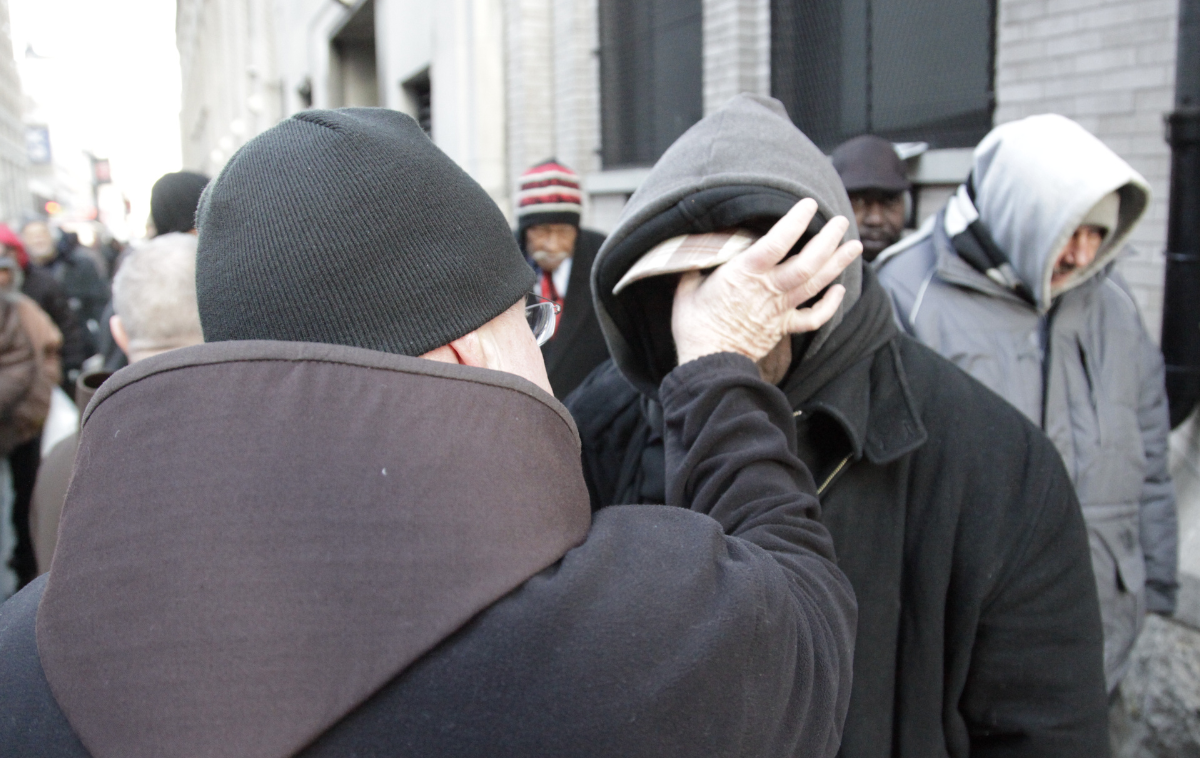
A friar offers ashes at the St. Francis Breadline in New York City. Ash Wednesday falls on Feb. 18 this year. (Photo by Br. Octavio Duran, OFM)
Ash Wednesday and Easter 2026
Ash Wednesday falls on Feb. 18, 2026.
Easter Sunday is April 5, 2026.
How Ash Wednesday is determined
Ash Wednesday marks the beginning of Lent in Western Christianity, occurring 46 days before Easter and the day after Shrove Tuesday, also known as Fat Tuesday. The date depends on the lunar calendar as set by church tables. To find Ash Wednesday's date:
Count six weeks backward from Easter Sunday
Back up an additional four days
Ash Wednesday falls between Feb. 4 and March 11. Easter can occur from March 22 to April 25.
Why is Ash Wednesday celebrated?
It is the beginning of Lent, a period when Christians reflect on their faith and take concrete steps to transform their lives by:
Confessing sins to a priest who has the authority of Christ to grant forgiveness
Repenting for past transgressions
Preparing spiritually for the great feast of Easter, the holiest day of the Church year
Ash Wednesday recognizes human brokenness and the need for salvation. The Church blesses and distributes ashes made from the previous year's palm leaves. Ashes symbolize:
Death
Repentance
Purification
During Lent, churches avoid singing hymns with "Alleluia," which means "Praise the Lord" in Hebrew. This custom reflects a time of exile, like the Israelites' 40 years in the desert, as conveyed in Psalm 137:4.
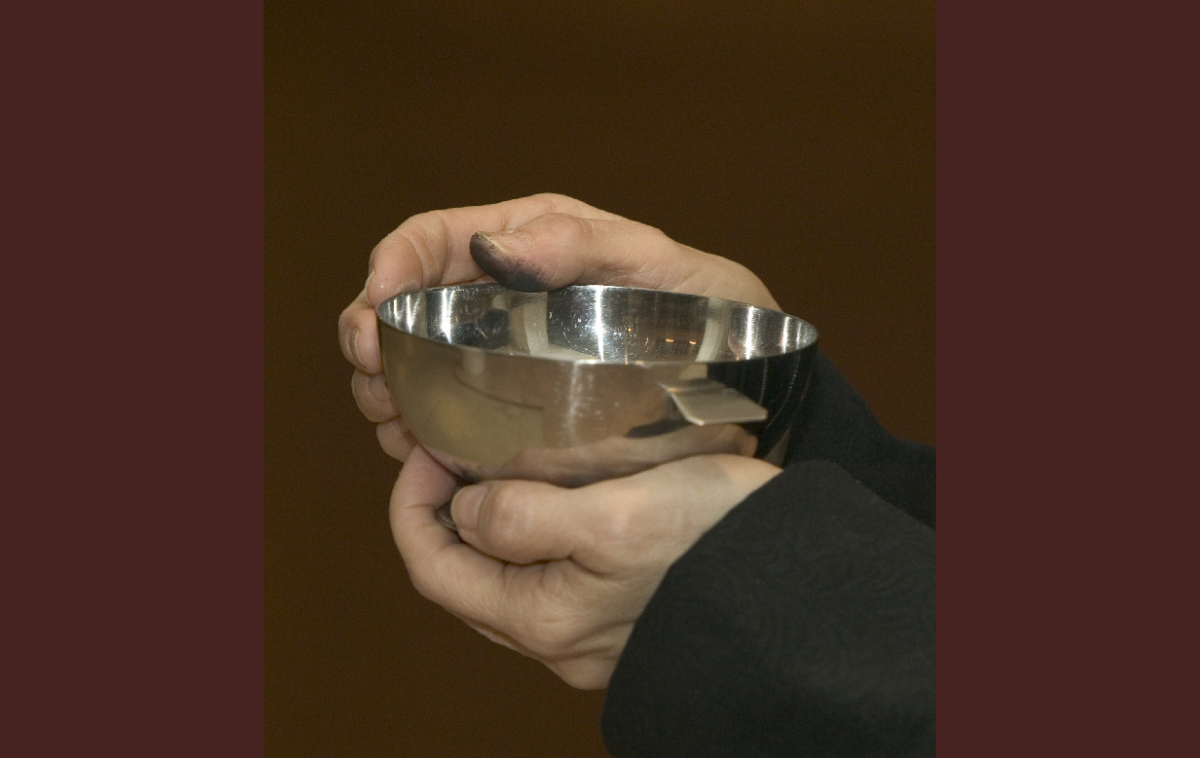
Ashes on Ash Wednesday symbolize mortality, repentance and seeking God's mercy. When offered by clergy, they may say, “Remember you are dust, and to dust you shall return,” or “Repent and believe in the Gospel.” (POLG file photo)
What happens during an Ash Wednesday Mass or prayer service?
Ash Wednesday liturgical events are distinguished by a solemn atmosphere and long silence. You may accept ashes in a cross shape on your forehead, symbolizing baptism and reminding you of mortality, sinfulness and the need for penance.
Can you eat meat?
Roman Catholics fast on Ash Wednesday and abstain from meat, consuming one full meal and two small snacks that don't equal a second full meal. During Lent, they avoid meat on Fridays as well. Many cooking sites feature Lent-friendly dishes. Catholic adults between 18 and 59 must fast on the specified days unless they are ill, have chronic sicknesses like diabetes, or are pregnant or nursing.
Ash Wednesday Scripture readings:
This year's Gospel reading is Matthew 6:1-6, 16-18. Other readings are as follows:
First Reading: Joel 2:12-18
Responsorial Psalm: Psalms 51:3-4, 5-6AB, 12-13, 14 and 17
Second Reading: 2 Corinthians 5:20-6:2
Verse Before the Gospel: Psalms 95:8
Ash Wednesday bible verses
Standard cited verses on Ash Wednesday include:
Matthew 6:16-18
When you fast,
do not look gloomy like the hypocrites.
They neglect their appearance,
so that they may appear to others to be fasting.
Amen, I say to you, they have received their reward.
But when you fast,
anoint your head and wash your face,
so that you may not appear to be fasting,
except to your Father who is hidden.
And your Father who sees what is hidden will repay you."
Ecclesiastes 3:20
Both go to the same place; both were made from the dust, and to the dust they both return.
Psalm 24:3-5
Who may go up the mountain of the LORD?
Who can stand in his holy place?
“The clean of hand and pure of heart,
who has not given his soul to useless things,
what is vain.
He will receive blessings from the LORD,
and justice from his saving God.”
Frequently asked questions
Is it okay to wash off ashes on Ash Wednesday?
The Catholic Church has no rules about how long ashes should remain on your forehead. It’s a matter of personal choice. Many keep them through the day to express their faith.
Is Ash Wednesday a holy day of obligation?
Catholics are not required to attend Ash Wednesday Mass, although attendance is encouraged.
Where can I receive ashes on Ash Wednesday?
You can receive ashes at a local Catholic church. Many offer multiple services. Check out our website for Franciscan parish locations.