
A Lifelong Transitus: Embracing the Gospel Like Francis and Clare
The year is 1226. A young man known as Francis of Assisi is enduring the difficult experience of dying. Years of illness, hardship and travel have left him weak. Nearly blind and depending significantly on his brothers, he asks them to lay him on the bare ground near the small chapel of the Portiuncula. The community gathers around him to pray and sing. This moment is Francis’ Transitus, his passage from earthly life to eternal life.
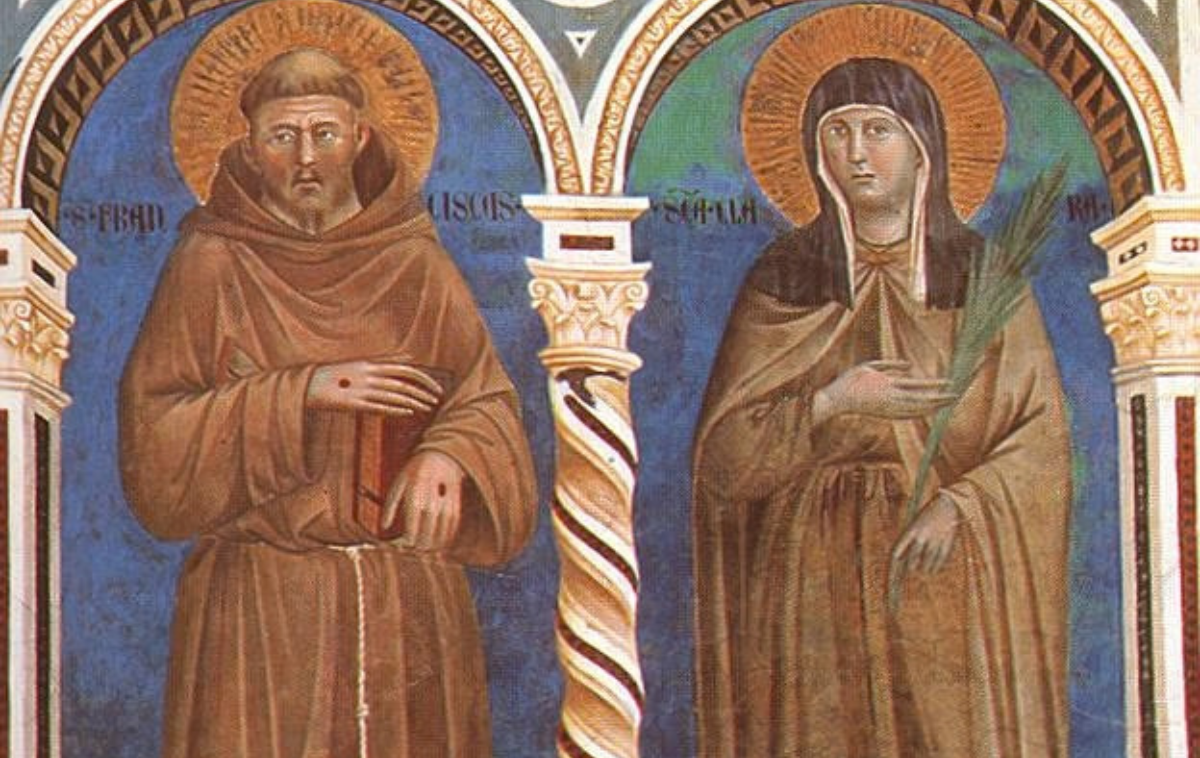
Giotto, Public domain, via Wikimedia Commons
Conversion happens step by step
Francis was brought up among the comforts and ambitions of Assisi’s merchant class. As a young man, he wanted glory and success. But war, imprisonment, illness and encounters with people with leprosy slowly changed his dreams. His conversion was not sudden. It happened step by step: moving from ambition to service, from wealth to poverty, from high status to humility, and from fearing those on the margins to welcoming them as sisters and brothers. All these experiences helped Francis realize that the Gospel wasn’t merely something to admire. It was meant to be lived.
Like Francis, Clare of Assisi went through her own journey. She was born into a noble family and was expected to marry well for security and status. But inspired by Francis’ vision of the Gospel, she left her home and chose a life of poverty for Christ. At San Damiano, she began a community of sisters focused on prayer, caring for one another and trusting in God.
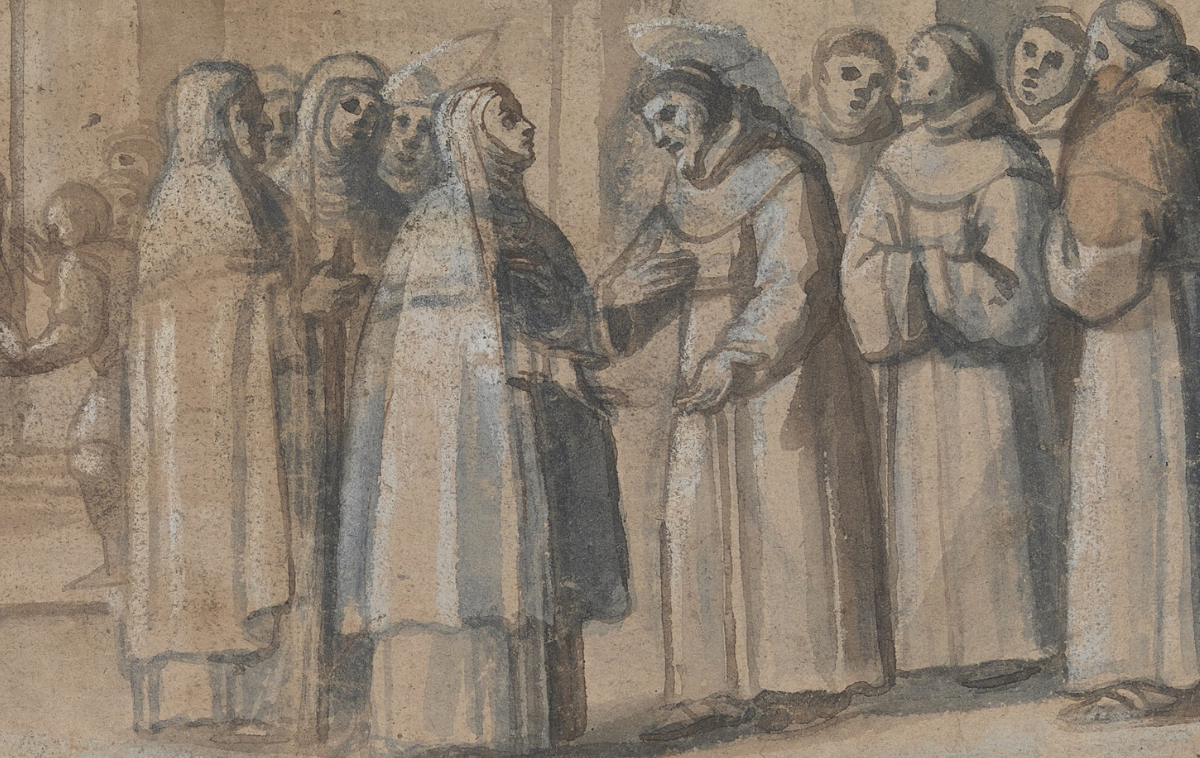
Cooper Hewitt, Smithsonian Design Museum, Public domain, via Wikimedia Commons
We rarely find our calling alone
Some might see Clare only as a follower of Francis. While he inspired and encouraged her, she was also his partner in the Franciscan way of life. Francis shared the Gospel as he traveled, while Clare lived it in a stable community. He showed that evangelical poverty could be lived by traveling brothers, and she showed that it could also sustain a community of sisters. They strengthened each other while remaining true to their calling.
Their lives show us that we rarely find our calling alone. We need companions who notice what God is doing in us, sometimes even before we see it ourselves.
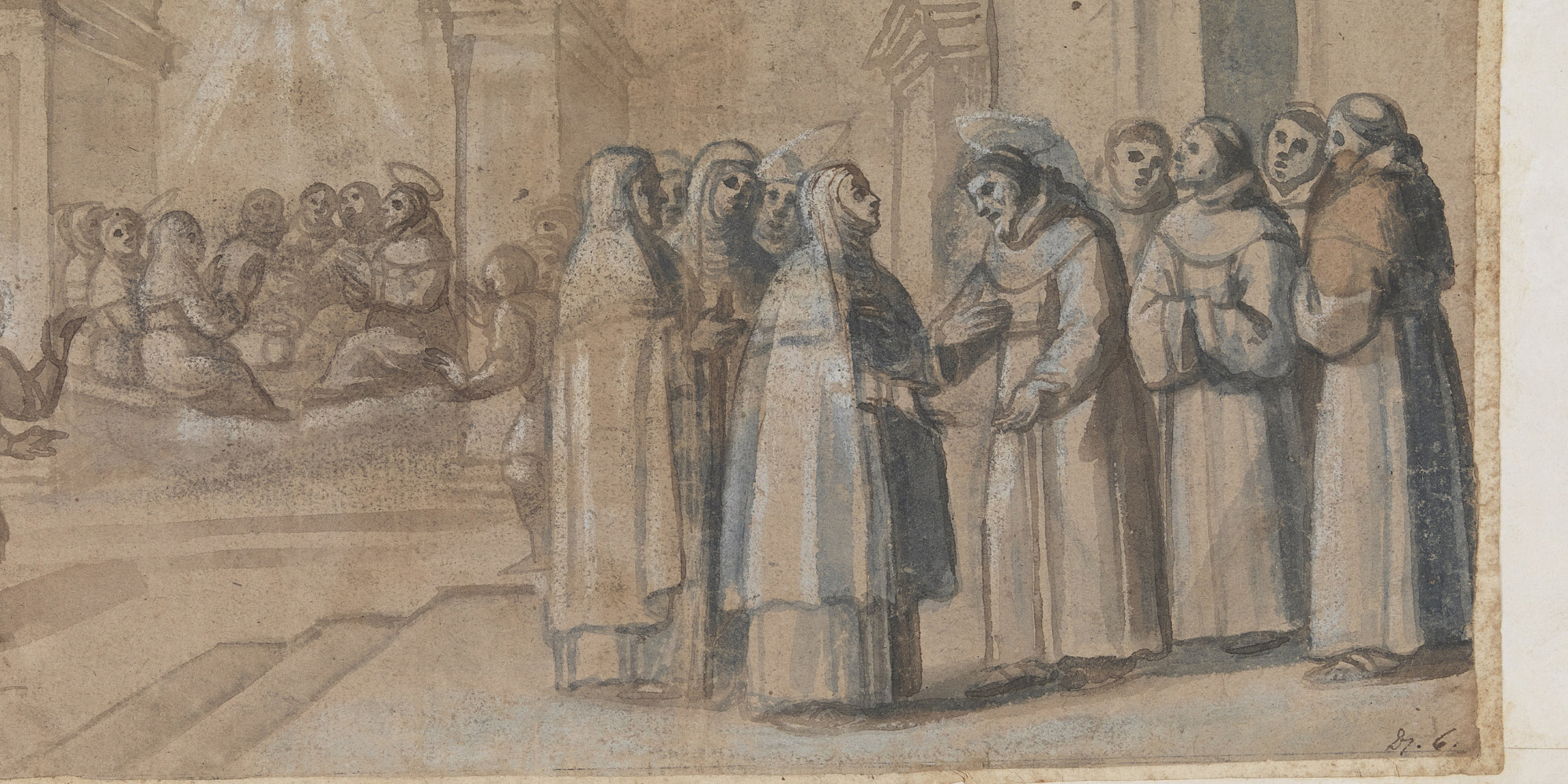
Their deep friendship gives deeper meaning to the Transitus. Francis did not face death alone. He was surrounded by brothers who cared for him, prayed with him and received his final blessing. After he died, his body was brought past San Damiano so Clare and her sisters could say goodbye. Their grief was real, but so was the life they had known together. What God had begun through Francis would continue. Clare and the growing Franciscan family would carry the bold Gospel vision forward.
Francis was able to welcome death as “Sister Bodily Death” because he had learned to let go throughout his life. This did not make suffering any easier or separation any less painful. It meant that death was no longer simply the end. For Francis, the Transitus was more than an ending; it was his final surrender into the hands of the God he trusted.
When we learn about Francis and Clare, we meet two people who were always being changed by the Gospel. Their lives show us that every moment we let go with faith can lead to greater freedom. Their example encourages us to be people of peace and reconciliation, to care for creation and to remain close to those on the margins.
With their lives in mind, the Transitus is not just the story of how Francis died. Placed within this Gospel context, it is the final expression of how Francis, with Clare by his side, learned to live.
Our own Transitus
This year’s commemoration of the 800th anniversary of Francis’ death presents each of us with an opportunity. It invites us to do more than remember history; it asks us to think about our own transitus. What ambitions, possessions, fears, resentments or certainties are we being asked to let go of? Where are we being called to move from solitude to community, from indifference to compassion, or from anxiety to trust?
Br. Marc Sheckells, OFM, is currently guardian of Saint Anthony of Padua Friary in Brooklyn (Cleveland), OH. He teaches theology at Benedictine High School in Cleveland, OH.
This reflection was originally published on FranciscanMonth.org and is republished here with permission. Franciscan Month is a collaborative project among members of the Franciscan Family that offers reflections, events, prayers and other devotional content throughout the month of October. The Province of Our Lady of Guadalupe helped curate this year's resources.